Learning Outcomes:
i. Students will be able to define biodiversity and its significance.
ii. They will understand the reasons for and methods of conserving biodiversity.
iii. Students will recognize the impact of biodiversity loss on ecosystems and human life.
Summary of Lesson:
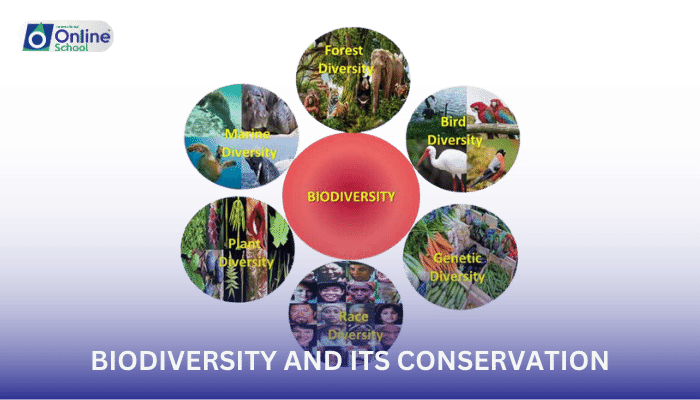
Biodiversity is like a huge, colorful quilt of life where each patch represents a different type of plant, animal, or microorganism. This lesson will explore what biodiversity is, why every single patch in the quilt is crucial, and how we can protect this richness of life on our planet.
i. Defining Biodiversity:
Biodiversity, or biological diversity, refers to the variety of life forms on Earth – the different plants, animals, and microorganisms, their genes, and the ecosystems they form.
ii. The Value of Biodiversity:
Biodiversity is essential because it contributes to ecosystem services, provides food and medicine, and maintains a healthy environment.
iii. Threats to Biodiversity:
Human activities like deforestation, pollution, and overfishing are reducing Earth's biodiversity. This can lead to weaker ecosystems that can't support us or the other species that live there.
iv. Conservation of Biodiversity:
Conservation efforts include setting up protected areas like national parks, restoring damaged ecosystems, and using resources in a sustainable way to protect our natural world.
List of Important Questions for Self-Study:
i. What is biodiversity?
ii. Why is biodiversity important to ecosystems and humans?
iii. What are some threats to biodiversity?
iv. How can we conserve biodiversity?
v. What role do protected areas play in biodiversity conservation?
vi. How does restoring habitats help biodiversity?
vii. Why is sustainable resource use important for conservation?
viii. Can you think of a local example where biodiversity is being threatened?
ix. How does the loss of one species affect the whole ecosystem?
x. What can individuals do to help conserve biodiversity?
Important Terminologies Used in Lesson:
i. Biodiversity: The variety of life in the world or in a particular habitat or ecosystem.
ii. Conservation: The protection, preservation, management, or restoration of wildlife and natural resources such as forests and water.
iii. Ecosystem Services: The benefits that humans freely gain from the natural environment and from properly-functioning ecosystems.
iv. Habitat Restoration: The practice of renewing and restoring degraded, damaged, or destroyed ecosystems and habitats in the environment.
v. Sustainable Use: Using resources at a rate that they can be replenished naturally, ensuring that they will not be depleted or become unavailable for future generations.
